How Text to Speech Help Businesses in 2026?
As 2026 begins, Text to Speech is helping businesses turn content into conversations. Modern Text to Speech technology transforms written information into a natural voice, making digital experiences easier, faster, and more engaging for customers across websites, apps, and platforms.
Businesses use Text to Speech to increase engagement, improve accessibility, and deliver messages that customers actually listen to. From customer support to marketing and training, voice-enabled content reduces friction, builds trust, and drives higher conversions across digital touchpoints.
Why Businesses Use Text to Speech?
Businesses use text-to-speech to make their content more accessible, engaging, and interactive. It converts written words into natural sound, helping companies connect with customers easily.
- Improved accessibility: Makes content accessible to visually impaired users or those who prefer to hear.
- Better User Engagement: Keep users engaged, as it converts written text into natural-sounding speech.
- Cost-Effective Communication: This reduces the need for human voiceovers or live agents.
- Multilingual Support: It makes voice content available in multiple languages for a global audience
- Improved Customer Support: It provides quick responses to questions and audio guidance.
- Marketing Advantage: It creates voice-enabled campaigns for greater reach and retention.
- Training and Education: Provides tutorials and educational materials in audio format for ease of use.
- Consistency in Messaging: Ensures the same tone and pronunciation across all platforms.
Text to speech helps businesses connect with users efficiently while enhancing the experience and ease of use.
How Text to Speech Improves User Engagement?
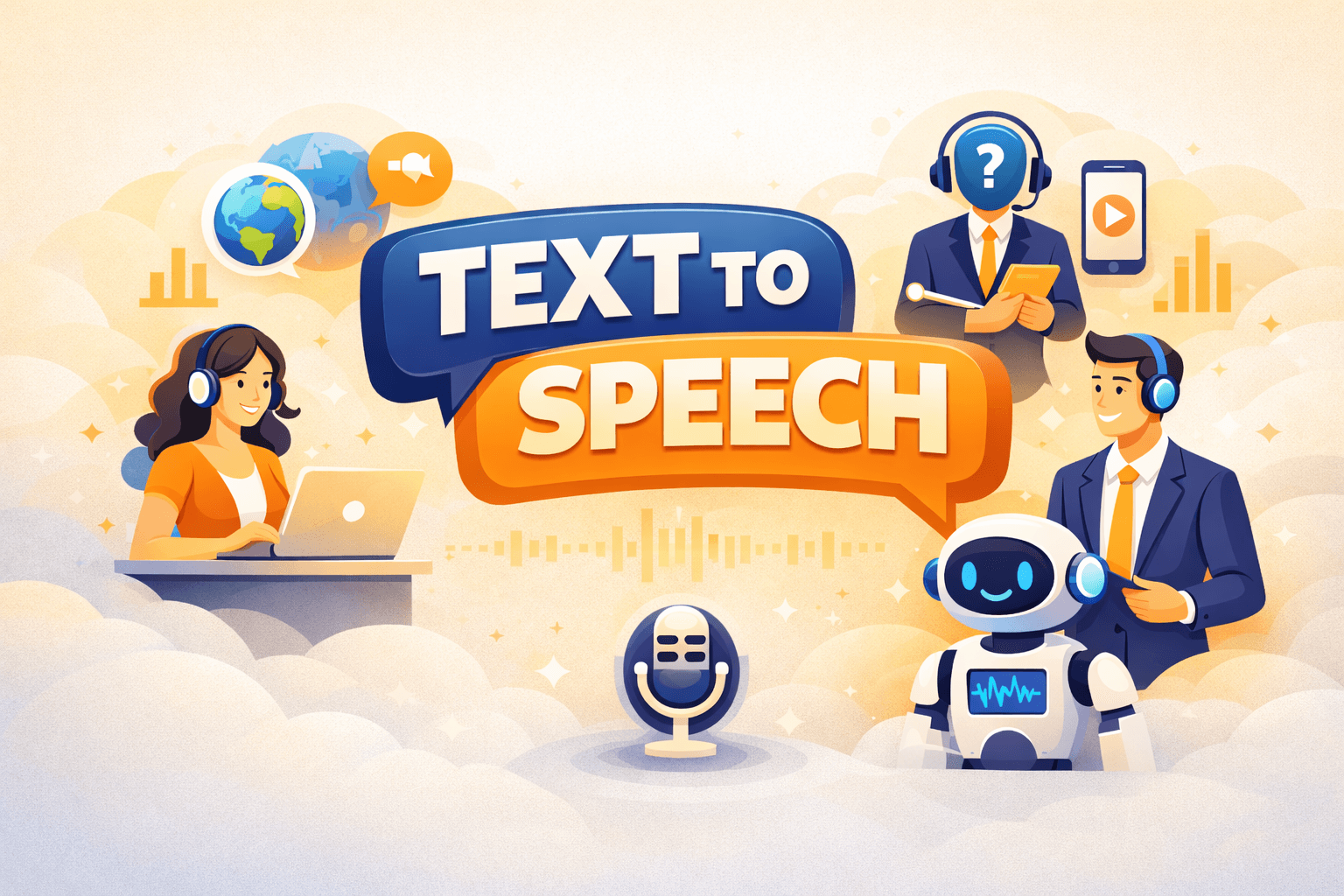
Text to Speech transforms how users interact with digital content by turning written words into natural, engaging audio that instantly captures attention and keeps users coming back.
- Adds voice to apps, websites, and emails, making interactions more dynamic.
- Adapts tone and pace to suit individual user preferences.
- Audio content helps users remember information better than reading alone.
- Lets users listen while multitasking or on the go.
- Speeds up understanding of complex information through clear narration.
- Brings a human-like voice to your brand, building emotional connection.
Source: ChatGPT
Benefits of Text to Speech for Businesses
Text to Speech helps businesses turn written content into engaging, natural audio, improving accessibility, user engagement, and customer experience across digital platforms.
Increase User Engagement
Text-to-speech technology engages audiences by presenting content in natural, human-sounding voices. Instead of reading long texts, users can listen comfortably, which increases time spent on your platform and reduces bounce rates thanks to immersive audio experiences.
- Makes content more interactive
- Promotes longer session duration
- Appeals to diverse user preferences
Improved Accessibility for All
Text to speech ensures that your business content is accessible to people who are visually impaired or have difficulty reading. Providing spoken audio makes your platform inclusive and compliant with accessibility standards, while also opening up your content to a wider audience.
- Supports users with disabilities
- Complies with accessibility guidelines
- Expands reach to diverse audiences
Better Customer Support
Integrating text to speech into support channels gives customers instant voice responses to frequently asked questions, instructions, and help content. This reduces wait times for support, enables quick resolution of simple questions, and improves overall customer satisfaction.
- Reduces support burden
- Fast self-service answers
- Consistent voice responses
Stronger Brand Voice
With customizable Text to Speech voices, businesses can communicate with consistent tone and personality across platforms. This strengthens brand identity while making audio content recognizable and memorable to users.
- Custom voice options
- Consistent messaging
Higher Conversion Rates
Text to Speech helps convey persuasive messages in a clear and engaging voice. Users are more likely to absorb product benefits and calls to action when they hear them, leading to higher conversions and improved sales performance.
- Clear messaging increases clarity
- Strengthens call to action
- Encourages users to make decisions
Content Consumption
Text to speech allows users to listen while commuting, working out, or multitasking during work breaks. This increases content consumption and allows messages to reach users who may not be busy reading the text.
- Convenient for busy users
- Encourages frequent interaction
Cost-Effective Scalability
Text to Speech automates the delivery of voice content without the need for expensive recordings. This saves time and money while enabling businesses to quickly scale voice experiences across platforms.
- Reduces production costs
- Rapid voice deployment
Text to Speech in Marketing and Support
Text to Speech is transforming marketing and customer support in 2026, allowing businesses to deliver messages in natural, engaging voices that capture attention, improve accessibility, and strengthen brand connections.
Use Cases of Text to Speech in Marketing and Support
- Marketing Campaigns: Deliver personalized audio messages in emails, advertisements, and social media posts to capture attention and improve engagement rates.
- Customer Support: Provide instant voice responses for frequently asked questions, troubleshooting guides, and onboarding instructions, reducing wait times and improving satisfaction.
- Training and Tutorials: Use text-to-speech to create audio-based product demos and training materials that employees and customers can access anytime.
- Multilingual Communication: Reach global customers with voice content in various languages, increasing inclusivity and brand trust.
Future of Text to Speech in Business
Text to Speech is set to transform business communication by 2030, turning each digital interaction into an immersive, voice-driven experience. Businesses adopting this technology will gain efficiency, engagement, and stronger connections with clients
- Hyper-Realistic Voices: AI-generated voices will sound almost indistinguishable from humans, providing more natural and engaging interactions.
- Personalised Customer Experiences: Voice content will adapt to individual preferences, increasing engagement and loyalty.
- Voice-First Digital Platforms: More services and apps will prioritise audio interfaces, making user navigation faster and more intuitive.
- Automation & Productivity: Text to Speech will handle routine communications, freeing teams for high-value tasks.
- Integration with AI Analytics: Insights from voice interactions will guide marketing, sales, and support strategies efficiently.
By 2030, Text to Speech will be central to customer engagement and business growth.
Conclusion
Text-to-speech technology is transforming how businesses communicate by turning written content into natural, engaging audio. It improves accessibility, user engagement, and brand consistency across digital platforms.
It enhances marketing, support, and training, allowing personalized, multilingual, and convenient audio experiences that keep customers engaged and informed.
By 2030, text-to-speech will enable hyper-realistic voices, voice-first platforms, and AI-driven personalization, boosting efficiency, conversions, and stronger connections between businesses and their audiences.
-

Krishna Handge
WOWinfotechDec 29,2025