AI Development: Trends and Best Practices
.jpg)
AI Development Trends in 2026 depend on how advanced and scalable the AI solution is. Businesses can begin AI development with basic applications such as chatbots, recommendation systems, or data analysis tools, while more complex and enterprise-level AI systems like autonomous AI agents and industry-specific models require greater investment and planning.
The main factors influencing AI development include data collection and preparation, selecting the right AI models and tools, cloud or edge infrastructure, skilled AI professionals, system integration, security, and ongoing maintenance. Organizations that follow proven AI development best practices and scale their solutions step by step usually achieve better performance, long-term value, and higher return on investment.
In this guide, we explain AI development trends and best practices in simple language to help you understand them easily.
What is AI Development?
AI development is the process of creating smart software that can learn, think, and solve problems like humans. It includes collecting data, training AI models, and using technologies like machine learning and NLP to build automated solutions for real business and technical needs.
AI Development Trends
Below is a step-by-step guide explaining AI development trends, from planning and data preparation to building, deploying, and improving modern AI systems.
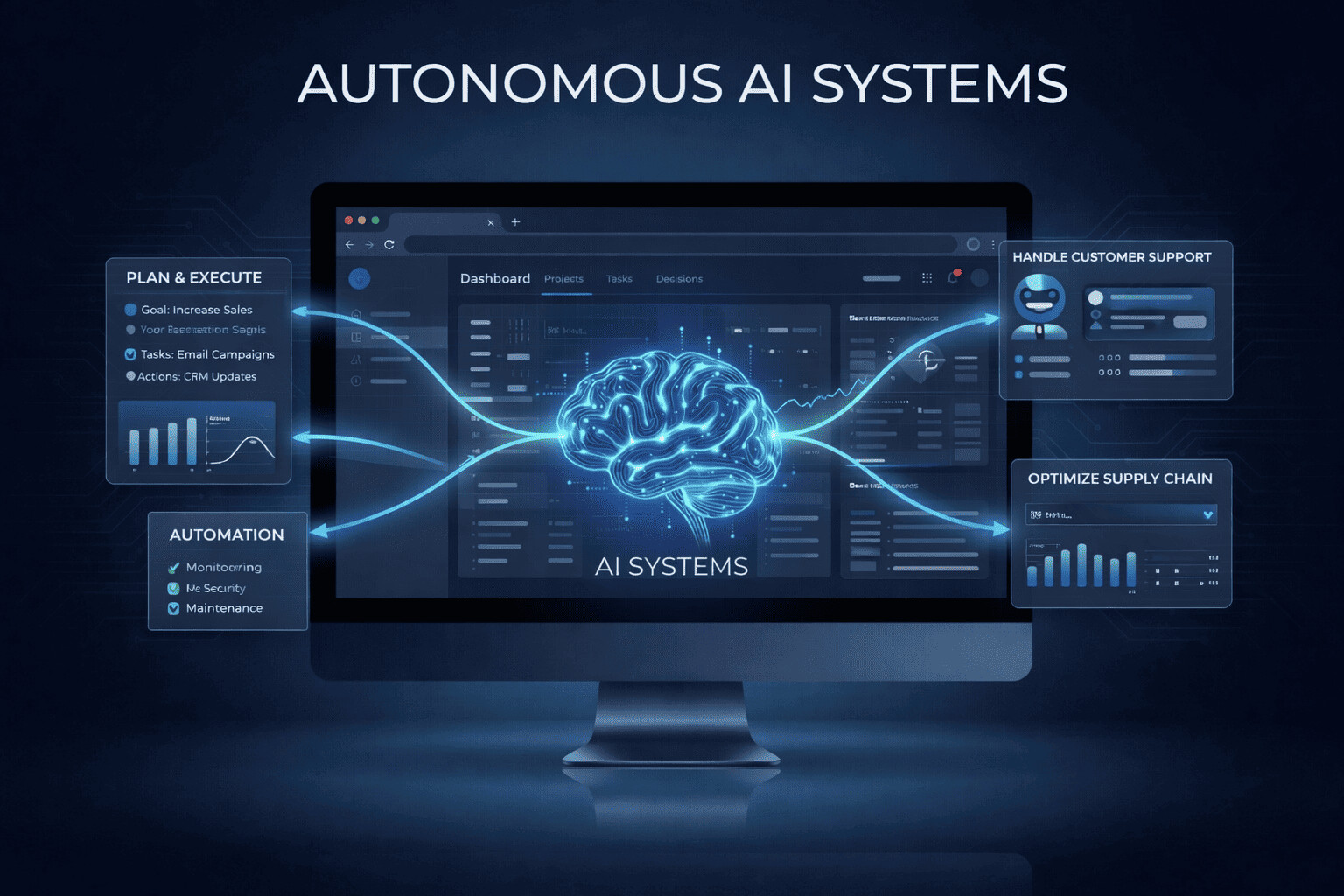
1. Agentic and Autonomous AI Systems
AI systems are evolving from tools into digital agents that plan, act, and make decisions. These autonomous agents can manage workflows, execute multi-step tasks, and even respond proactively to business needs.
Examples of Agentic and Autonomous AI Systems
- AI agents handling customer service tasks end-to-end.
- Decision support systems with autonomous planning.
- Enterprise orchestration layers coordinating multiple AI workflows.
2. Generative and Multimodal AI
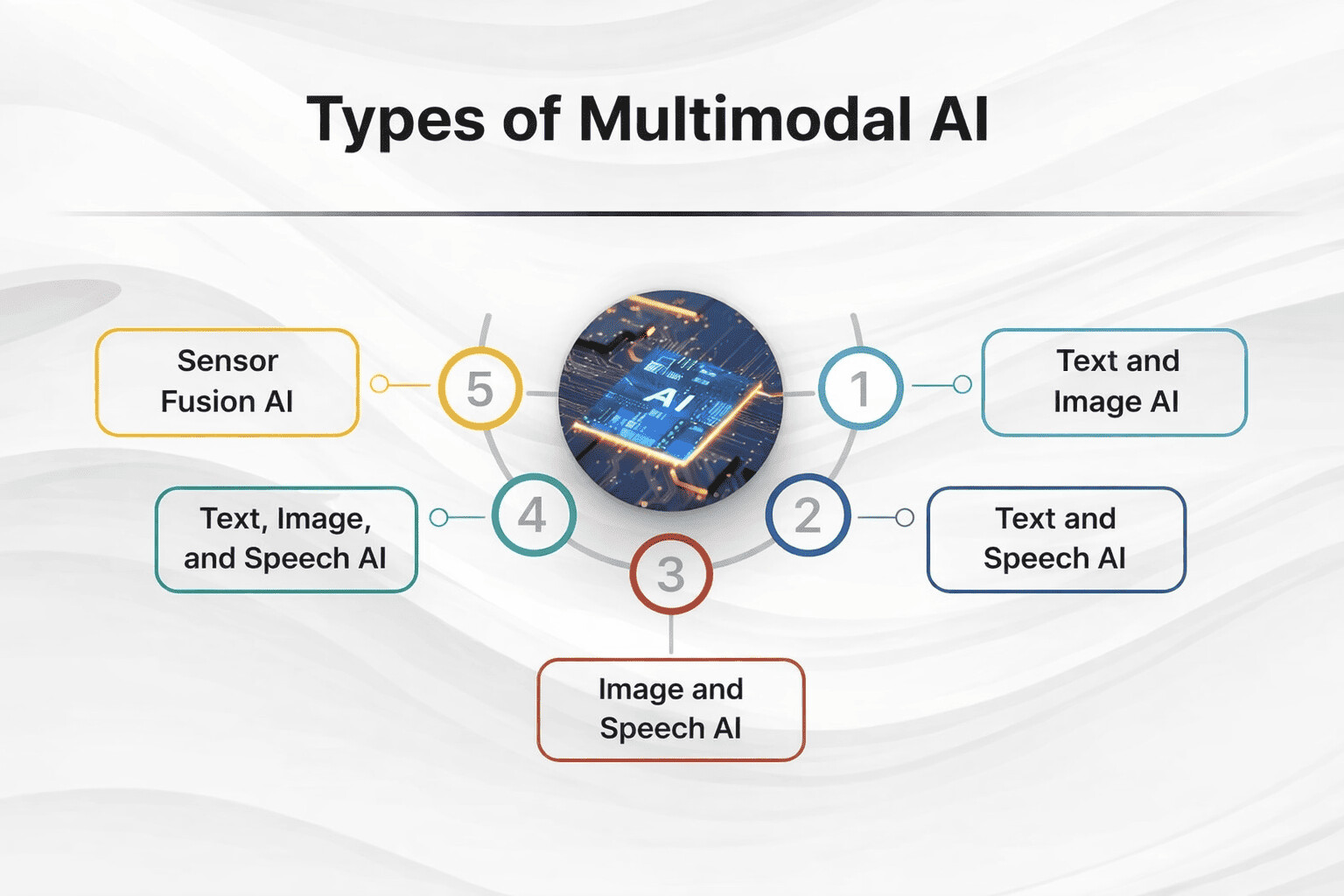
The leap from text-only models to multimodal systems that understand and generate text, images, audio, and video is reshaping interactions and creativity. This enables richer user experiences and more intuitive interfaces.
Example trends include:
- AI tools that compose video from prompts.
- Systems blending vision and language for context-aware outputs.
- Generative design assistants for creative industries.
3. Scalable and Real-Time Architectures
AI is expected to operate in real-time with scalable architectures, ensuring rapid insights and seamless growth with expanding datasets or users. Businesses are investing in cloud-native, modular design patterns for future-ready deployment.
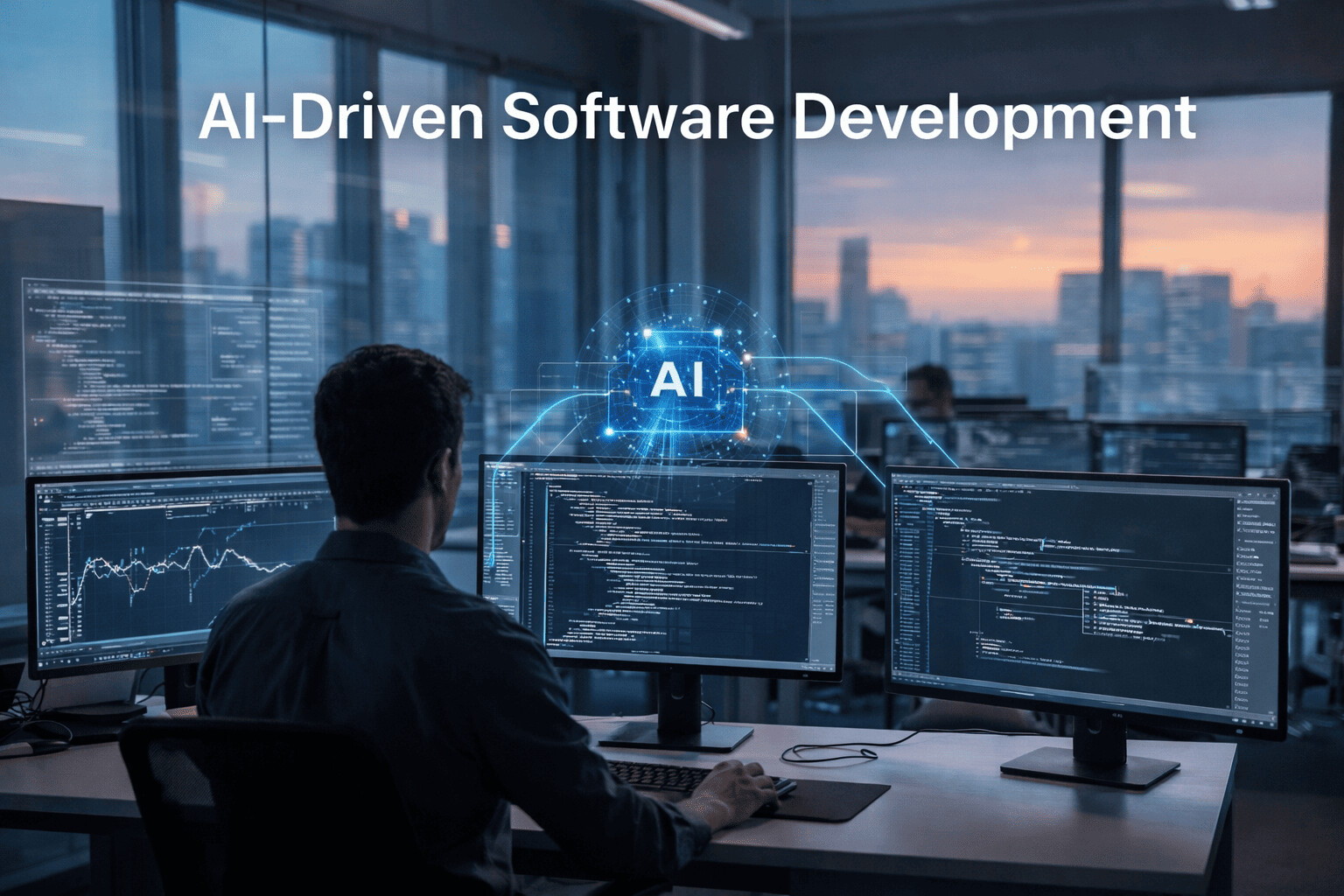
4. AI-Driven Software Development
AI is transforming how software is built:
- Natural-language programming: describe features in plain language and get code back.
- AI agents in CI/CD: test, deploy, and iterate with minimal human intervention.
- Widespread use of tools like GitHub Copilot for accelerated coding.
5. Industry-Specific Models
Beyond generalized LLMs, domain-tuned foundation models are rising, optimized for sectors like healthcare, finance, retail, and manufacturing enhancing accuracy, compliance, and context relevance.
6. Edge AI and On-Device Intelligence
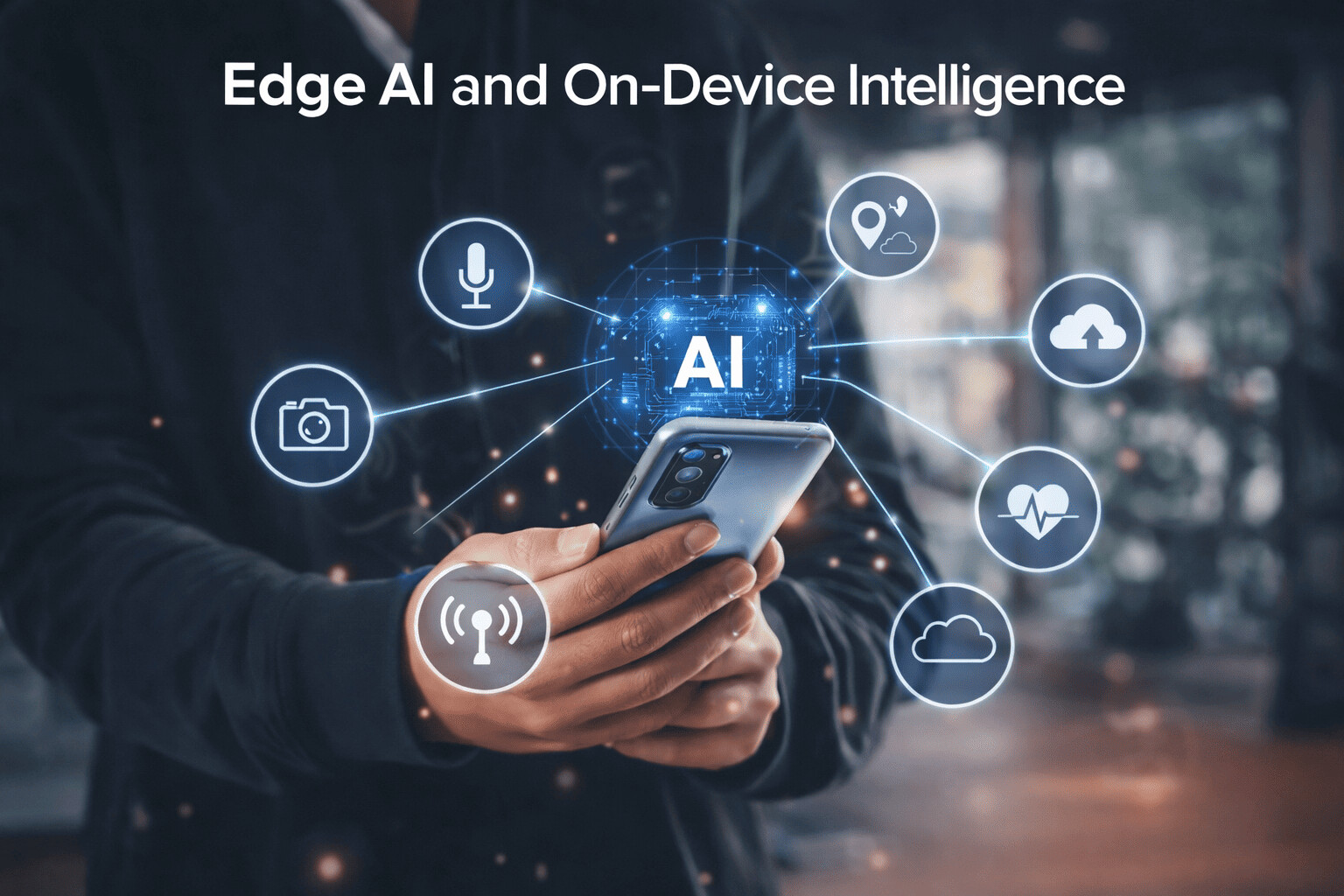
AI is no longer confined to cloud servers. Edge computing brings intelligence to devices, lowering latency, enhancing privacy, and enabling offline capabilities in real-world applications.
Steps for How to Develop AI
Here we explain how to develop AI step by step.
Start With Clear Goals
Know exactly what you want AI to achieve. Focus on solving real business problems, not just experimenting. Set measurable results so you can see if it’s working.
Use Good Quality Data
AI works best with clean, accurate, and diverse data. Make sure your data is organized, free of errors, and represents the real world to avoid mistakes or bias in your models.
Build AI to Grow
Design your AI so it can handle more users, bigger datasets, and more complex tasks in the future. This avoids having to rebuild everything later.
Keep an Eye on AI Performance
AI models can get worse over time if the data changes. Monitor them regularly, check for errors, and update or retrain them to keep them accurate.
Be Responsible and Ethical
AI should be fair, safe, and respect privacy. Make sure it’s explainable, free from bias, and follows laws and ethical standards.
Work Together
AI projects work best when teams of engineers, data experts, and business people communicate well. Collaboration ensures the AI solves the right problems.
Plan for the Long Term
AI systems need ongoing care. Update them, retrain them, and retire old models when needed to keep them useful and reliable.
Integrating AI Across Business Functions
AI is now embedded across core departments:
|
Area |
Impact |
|
Operations |
Workflow automation, error reduction |
|
Customer Support |
AI-powered personalization |
|
Finance |
Fraud detection & forecasting |
|
HR |
Talent analytics |
|
Marketing |
Behavioral insights |
Conclusion
The AI development trends for 2026 are clear. Teams are moving from small experiments to reliable systems that work in the real world. The lesson from these trends is that successful AI development is not just about choosing the right model it’s about creating workflows, controls, and measurements that make AI work at scale.
In 2026, AI agents will handle more tasks independently, multimodal AI will become a standard way to interact with systems, and strong AI infrastructure will ensure consistent performance as usage grows. At the same time, Responsible AI will be essential for trust, using permissions, traceability, and audit-ready logs. These aren’t just
As an AI development partner, we help businesses turn these trends into real, production-ready systems. If you want to apply these AI development trends to your product or roadmap, book a free consultation. We will help identify high-impact use cases, choose the right architecture, and set the safeguards needed to deploy AI confidently.
Frequently Asked Questions
-

Krishna Handge
WOWinfotechJan 27,2026