17 Essential Features of a Real Estate Website in 2026
.png)
Imagine a potential buyer searching online for a property, comparing projects, and checking prices before contacting a real estate agent. If your website is slow, difficult to navigate, or missing important property details, you may lose that potential enquiry.
This is why choosing the right real estate website development company in India matters for builders, property developers, brokers, and real estate agencies.
A well-designed real estate website does more than display property listings. It helps buyers explore residential and commercial properties, compare locations, view floor plans, check project details, and submit enquiries easily. With responsive web design, property search filters, technical SEO, CRM integration, and accurate RERA-related information where applicable, your website can support a better user experience and improve online visibility.
In 2026, a fast, informative, and search-friendly website is an important part of a real estate business's digital presence.
Why Do Real Estate Businesses Need a Professional Website?
A professional real estate website helps builders, developers, brokers, and agencies showcase property listings. It builds buyer trust, generates leads, and improves Google visibility. Buyers can browse properties, compare prices, explore amenities, and submit enquiries easily.
1. Build Trust With Buyers
Display company details, completed projects, genuine reviews, property photos, and applicable RERA registration information to improve transparency.
2. Showcase Property Listings
Use property search filters for location, budget, BHK configuration, property type, and amenities to help visitors find suitable properties quickly.
3. Generate Qualified Leads
Integrate enquiry forms, WhatsApp, site-visit bookings, and CRM systems to manage property enquiries and sales follow-ups.
4. Improve SEO and Online Visibility
Optimise property pages, location-based landing pages, website speed, and relevant content to target searches such as flats for sale in Nashik or apartments in Pune.
A well-developed real estate website combines responsive design, property management, technical SEO, and lead generation to support business growth and improve the property search experience.
Essential Features of a Real Estate Website in 2026
A real estate website should help users find properties quickly. It should offer simple navigation, accurate listings, and easy enquiry options. Modern websites can also use AI navigation, voice search, and chatbots to improve property discovery.
1. Customer Reviews and Testimonials
Customer reviews help build trust in your real estate business. Genuine testimonials can help buyers feel confident about your services.
Key features include:
- Verified customer reviews and ratings.
- Testimonials from property buyers.
- Feedback on services and support.
- Clear and authentic customer experiences.
2. AI Chatbot or Virtual Real Estate Assistant
An AI chatbot helps visitors find property information and get quick answers. It can also collect leads at any time.
Key features include:
- Instant answers to common questions.
- Property details and amenity information.
- Personalised property recommendations.
- Automated enquiry and lead collection.
3. Property Price and Cost Breakdown
Clear pricing helps buyers understand property costs and plan their budgets. It also reduces confusion during the buying process.
Key features include:
- Property prices and booking amounts.
- Payment plans and instalment details.
- Additional charges and applicable fees.
- Total estimated property cost.
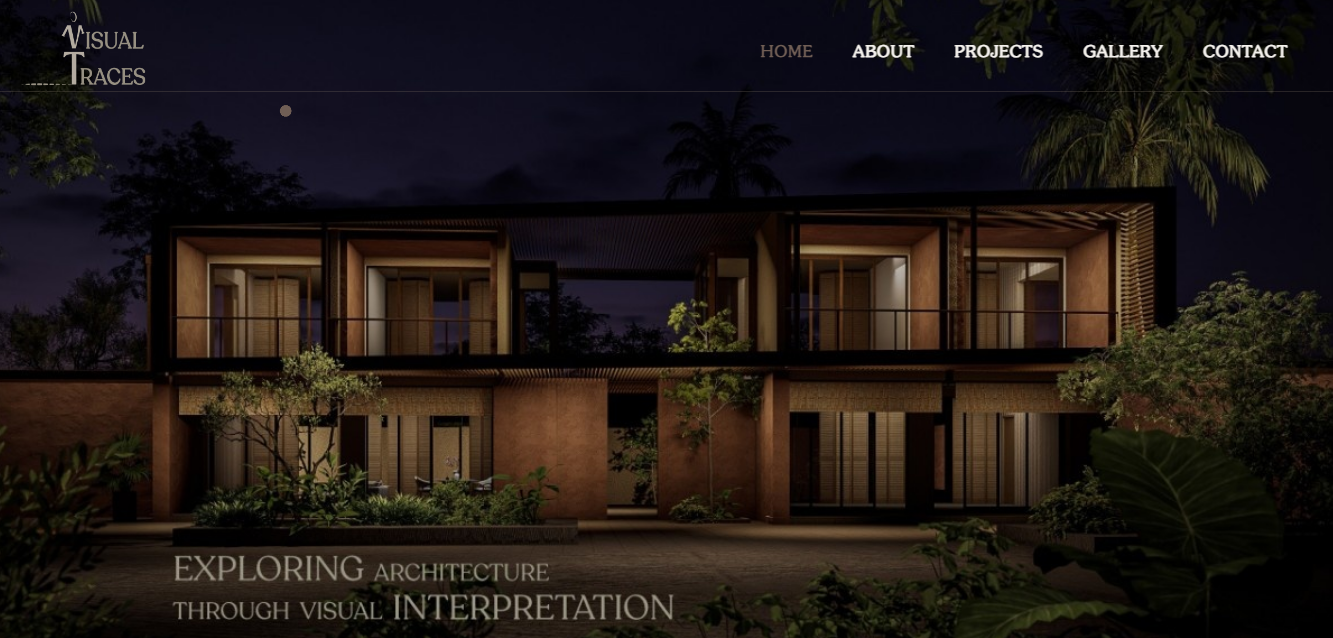
4. Property Images and Virtual Tours
High-quality visuals help buyers understand a property before visiting it. They also make property listings more informative.
Useful visual features include:
- Interior and exterior photographs.
- Floor plans and building layouts.
- Video walkthroughs.
- 360-degree virtual tours.
Optimise images for faster loading. Clearly distinguish actual photographs from proposed designs.
5. Mobile-Friendly and Responsive Design
A real estate website must work well on mobile phones, tablets, and desktops. A responsive design makes property browsing easier on every screen.
Key features include:
- Simple navigation and readable text.
- Fast-loading property images.
- Mobile-friendly search filters.
- Easy-to-use enquiry forms.
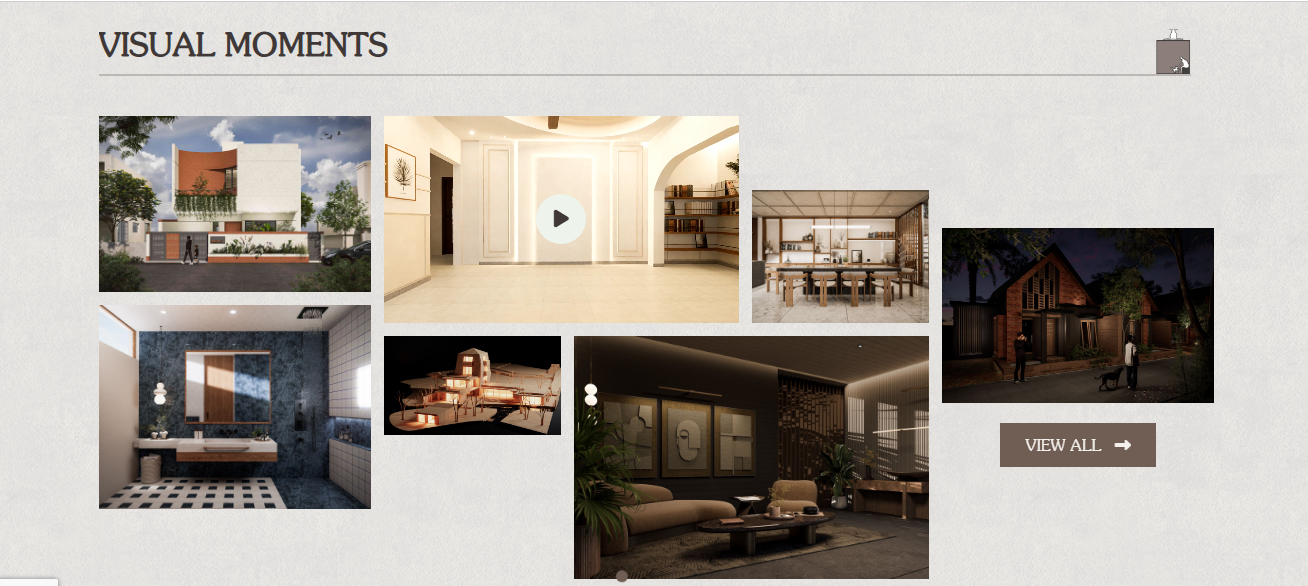
6. Advanced Property Search and Filters
Property search helps buyers find suitable homes, plots, and commercial spaces. Users should be able to filter listings based on their needs.
Useful search filters include:
- Location, budget, and property type.
- BHK configuration and carpet area.
- Amenities and furnishing status.
- Property availability and construction status.
7. Buyer, Seller and Renter Portals
Separate portals help buyers, sellers, and renters access relevant property services. They make property searches, listings, and enquiries easier to manage.
Key features include:
- Personalised dashboards for each user type.
- Property search and listing management tools.
- Saved properties and enquiry tracking.
- Easy communication between users and agents.
8. Dedicated Real Estate Project Pages
Builders should create a separate page for each major project. This helps buyers understand the project's features and location.
A project page should include:
- Project specifications and apartment configurations.
- Master plans, floor plans, and amenities.
- Construction status and location details.
- Brochures and enquiry forms.
Organise pages by city, locality, project, and property type. This also improves website navigation and internal linking.
8. Interactive Maps and Locality Information
Location plays an important role in property decisions. Interactive maps help buyers understand where a property is situated.
Include information about:
- Nearby schools and hospitals.
- Public transport and major roads.
- Shopping centres and business districts.
- Verified property addresses and map locations.
Use accurate locality information. Avoid making unsupported claims about travel times.
10. Lead Generation and Enquiry Forms
A website should make it easy for buyers to contact the property owner or sales team. Clear enquiry options can support lead generation.
Useful options include:
- Request property details.
- Book a site visit.
- Request a callback.
- Download a project brochure.
Keep forms short and mobile-friendly. Collect only the information needed to respond to the enquiry.
11. CRM Integration and Lead Management
A Customer Relationship Management (CRM) system helps real estate businesses organise property enquiries. It also supports sales follow-ups.
CRM integration can help with:
- Automatic lead collection.
- Assignment of enquiries to sales agents.
- Follow-up reminders and notifications.
- Tracking lead sources and sales progress.
Platforms such as Zoho CRM, Salesforce, and HubSpot may be suitable, depending on the business's needs.
12. Property Listing and Availability Management
A Content Management System (CMS) allows staff to update property information without editing code. This is useful when prices and availability change frequently.
Important features include:
- Easy property listing updates.
- Bulk property uploads.
- Listing expiry and availability management.
- User roles and duplicate listing checks.
Accurate listings help reduce confusion and improve the buyer experience.
13. Technical SEO and Website Performance
Technical SEO helps search engines discover, crawl, and understand website pages. Good performance also makes property browsing smoother.
Important elements include:
- Clean URLs and descriptive page titles.
- XML sitemaps and internal links.
- Optimised images and fast-loading pages.
- HTTPS security and suitable structured data.
Monitor Google's Core Web Vitals to identify loading, responsiveness, and layout stability issues.
Real Estate Website Development and RERA Compliance in India
Regulatory information is an important part of a real estate website, particularly for developers and businesses involved in the sale of registered projects.
The Real Estate (Regulation and Development) Act, 2016, commonly called RERA, established a framework for regulating the real estate sector and improving transparency for buyers.
Under Section 11 of the Act, promoters have specified responsibilities concerning project information and disclosures, including information made available through the authority's website. The exact obligations should be checked against the applicable law, rules, and state regulations.
How a Real Estate Website Development Company Supports SEO
A real estate website development company builds a strong SEO foundation. It helps search engines find and understand your website.
Better Search Engine Visibility
An SEO-friendly website needs a clear structure, mobile-friendly design, and fast loading speed. Clean URLs and secure browsing also matter.
Developers optimise internal links, images, page content, and structured data. These improvements help search engines crawl and index important pages.
Combining technical SEO, useful content, and local keywords can attract relevant organic traffic. It can also help real estate businesses generate more property enquiries.
Real Estate Websites and AI Search in 2026
AI search helps users find answers to real estate-related questions. Your website should provide clear, accurate, and useful information.
1. Optimise Content for AI Search
Answer common questions about website development, property portals, costs, and CRM integration. Use simple language, clear headings, and relevant keywords.
2. Follow SEO Best Practices
Create helpful content, improve website speed, and use a clear site structure. Keep property details and service information accurate and accessible.
These practices help search engines understand your website and connect users with relevant content. No method guarantees visibility in AI-generated answers.
What Is the Cost of Real Estate Website Development in India?
The cost depends on your website features and business needs. Basic property websites cost less than advanced real estate portals. Custom search, CRM integration, and user accounts can increase costs.
Factors That Affect Development Cost
- Website size and complexity: More pages and features increase development costs.
- Custom UI/UX design: Custom layouts require more design and testing.
- Property search features: Advanced filters and maps add development costs.
- Property listing management: Bulk uploads and agent access need extra features.
- CRM integration: Data syncing and workflows affect integration costs.
- Content and SEO: Content creation and optimisation add to costs.
- Hosting and maintenance: Backups, updates, and support create ongoing expenses.
Common Website Mistakes That Reduce Property Enquiries
Many real estate businesses invest in digital advertising but overlook website performance. As a result, they may attract visitors without generating enough property enquiries.
A slow website, confusing navigation, or missing property details can discourage potential buyers. Fixing these issues can improve user experience and help turn website visitors into genuine leads.
|
Common Mistake |
Impact on Real Estate Businesses |
|
Slow page loading |
Visitors may leave before viewing properties. |
|
Outdated website design |
Buyers may lose trust in the business. |
|
Poor mobile experience |
Mobile visitors may struggle to browse listings. |
|
Long enquiry forms |
Fewer users may complete the form. |
|
Missing trust signals |
Buyers may hesitate to contact the business. |
|
Weak technical SEO |
Property pages may receive less organic traffic. |
|
Confusing navigation |
Users may struggle to find relevant listings. |
|
Unclear calls to action (CTAs) |
Visitors may not know how to enquire. |
How to Avoid These Mistakes
- Improve page speed and mobile usability.
- Keep property listings accurate and up to date.
- Use clear navigation and simple enquiry forms.
- Add visible contact details and relevant trust signals.
- Optimise property pages for search engines.
- Use clear CTAs such as Book a Site Visit, Request Property Details, and Contact an Agent.
Addressing these issues can help real estate businesses make better use of their existing website traffic and advertising budget.
Should You Hire a Freelancer or a Web Development Company?
Choosing the right development partner is important for your real estate business. A freelancer may suit a small project with a limited budget. However, real estate website development often needs more than coding. It requires planning, UI/UX design, SEO, testing, security, and ongoing maintenance.
A professional web development company brings together specialists to manage these needs. This helps create a website that supports your business goals and future growth.
Freelancer vs. Web Development Company
|
Factor |
Freelancer |
Web Development Company |
|
Project Strategy |
Limited planning |
Complete business-focused strategy |
|
UI/UX Design |
Depends on individual skills |
Dedicated design specialists |
|
SEO-Friendly Development |
May cover basic SEO |
Advanced technical SEO practices |
|
Scalability |
May have limited resources |
Supports future growth and new features |
|
Security |
Depends on expertise |
Structured security practices |
|
Testing and Quality Assurance |
May involve limited testing |
Multi-stage testing process |
|
Ongoing Support |
Depends on availability |
Planned maintenance and technical support |
|
Team Expertise |
Usually one professional |
Specialists across different areas |
For real estate businesses that invest in digital marketing and lead generation, a web development company can be a valuable long-term partner. It can help build a secure, SEO-friendly, and scalable website that supports property enquiries and business growth.
Conclusion
Choosing the right real estate website development company in India can help you attract more buyers and generate quality leads. A professional website builds trust and improves the user experience. It should include mobile-friendly design, property search filters, detailed listings, and fast loading speed. SEO-friendly content, CRM integration, virtual tours, and AI-powered search can further improve website performance.
A well-designed real estate website helps your business stand out in a competitive market.
Want to grow your real estate business online? Choose WOWinfotech for user-friendly, SEO-friendly real estate website development. Contact WOWinfotech today to discuss your requirements and build a website that turns visitors into potential customers.
Frequently Asked Questions
-

Team WOWinfotech
WOWinfotechOct 15,2026