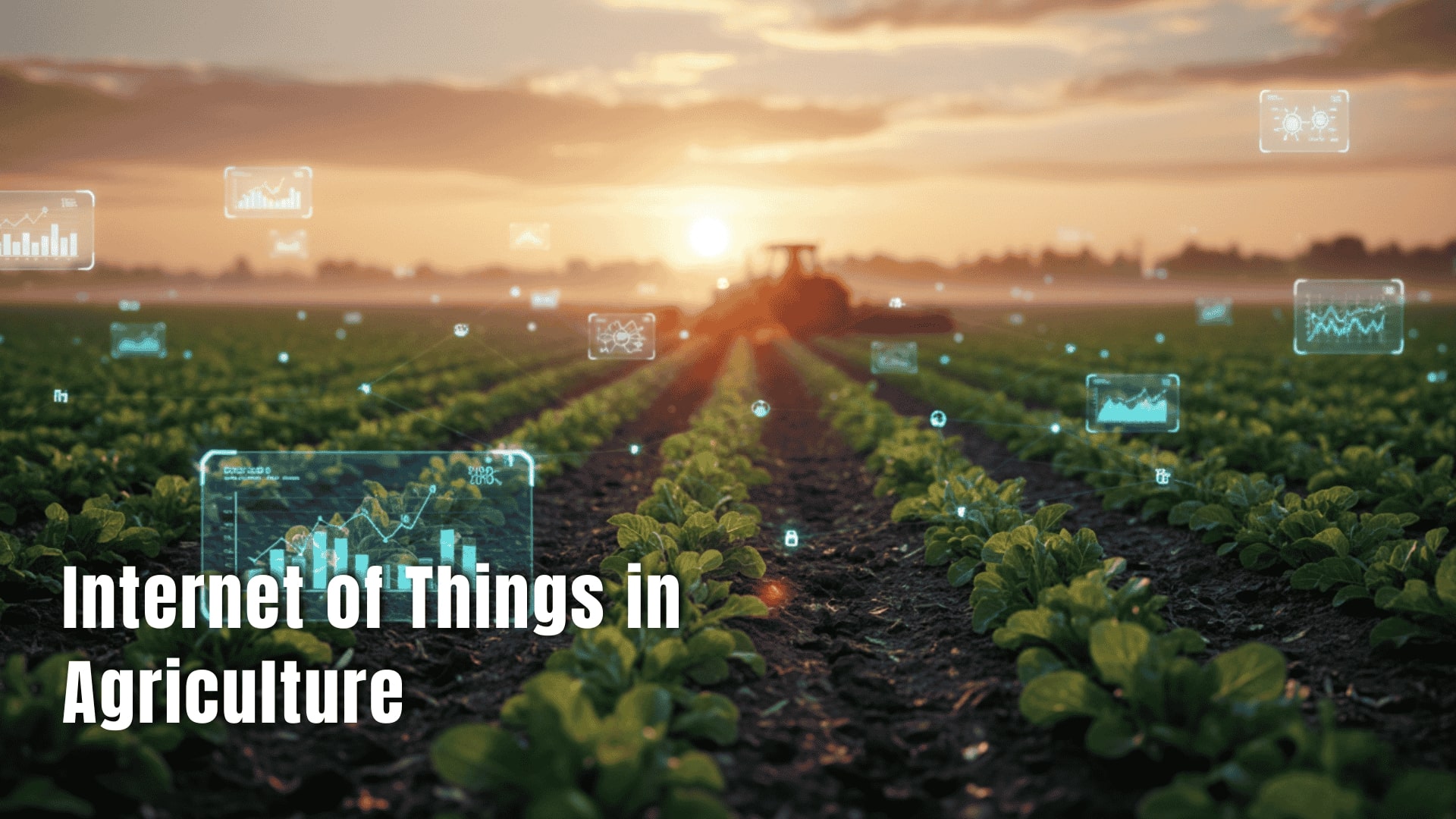
The Internet of Things in agriculture is like a smart helper for your farm. It uses small devices called sensors to check soil, weather, crops, and animals. These sensors transmit information to your phone or computer in real-time. This helps you know exactly when to water, feed, or take care of your farm. No more guessing or wasting resources.
Internet of Things agriculture tools save you time and money and make farming easier. Whether you have a small garden or a big farm, these smart tools help you grow food better and faster.
This blog will show you how the Internet of Things in agriculture works and how it can help you every day.
What is the Internet of Things in Agriculture?
The internet of things in agriculture, or the internet of farming, means putting smart devices and sensors across the farm. These devices collect information like soil moisture, temperature, and crop health.
The data is sent to computers or mobile apps that farmers can access anytime. With this information, farmers can know exactly when crops need water or fertilizer, or when animals need attention, without guessing.
It’s like having a digital helper watching the farm 24/7, helping farmers make better decisions quickly.
How IoT Works on Farms
IoT in agriculture combines sensors, internet connectivity, and software platforms:
- Sensors measure conditions in soil, air, and plants.
- Networks connect these devices and send data to the cloud.
- Software analyzes data and shows results on dashboards or phones.
- Automation systems can trigger irrigation or alerts based on data.
For example, if the soil moisture sensor detects dryness, it can trigger irrigation automatically. If livestock activity looks unusual, the system sends a warning to the farmer’s phone.
IoT technologies in Agriculture
IoT technologies in agriculture are making farming smarter and easier by using connected devices to gather real-time information and automate tasks. Let’s look in detail at the main IoT technologies used in farming:
Soil Sensors
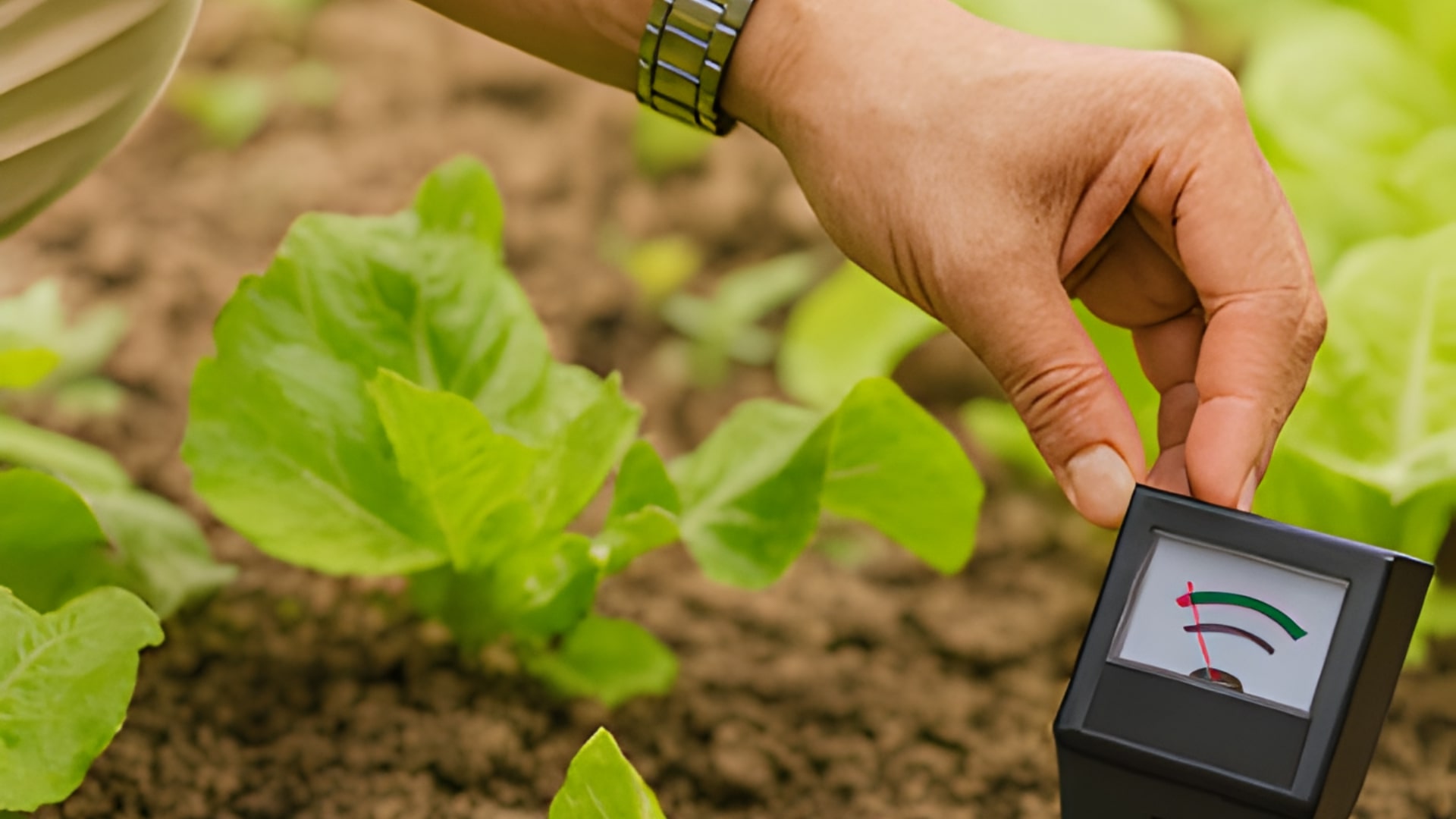
These sensors measure soil moisture, temperature, pH level, and nutrient content. By knowing exactly how wet or fertile the soil is, farmers can water or fertilise only when needed. This saves water and reduces chemical use, helping crops grow better without waste.
Weather StaDtions
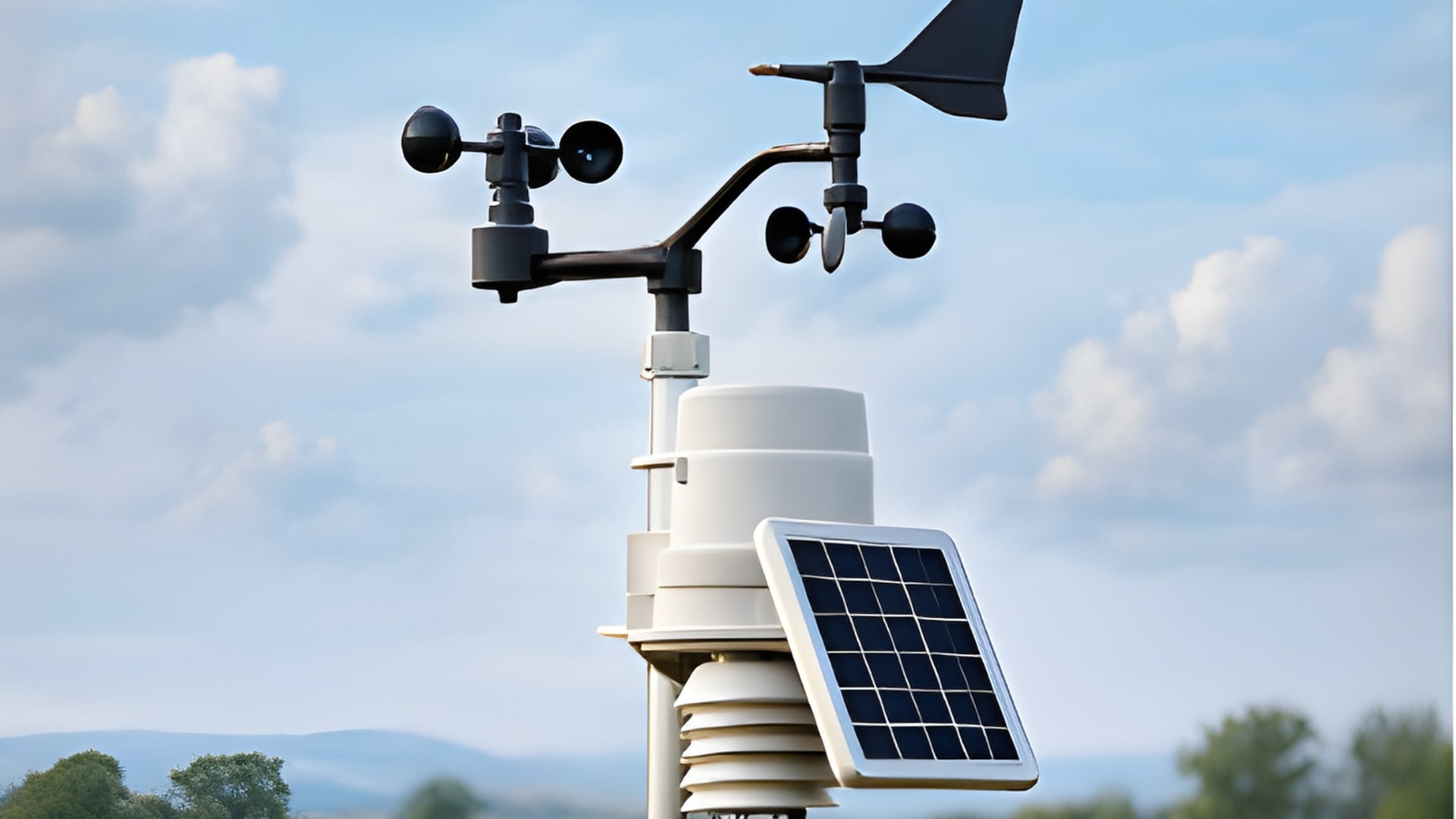
Installed on farms, these stations track temperature, rainfall, humidity, and wind. This information helps farmers plan activities like planting, harvesting, or protecting crops from storms. Knowing the weather in advance reduces crop damage.
Drones
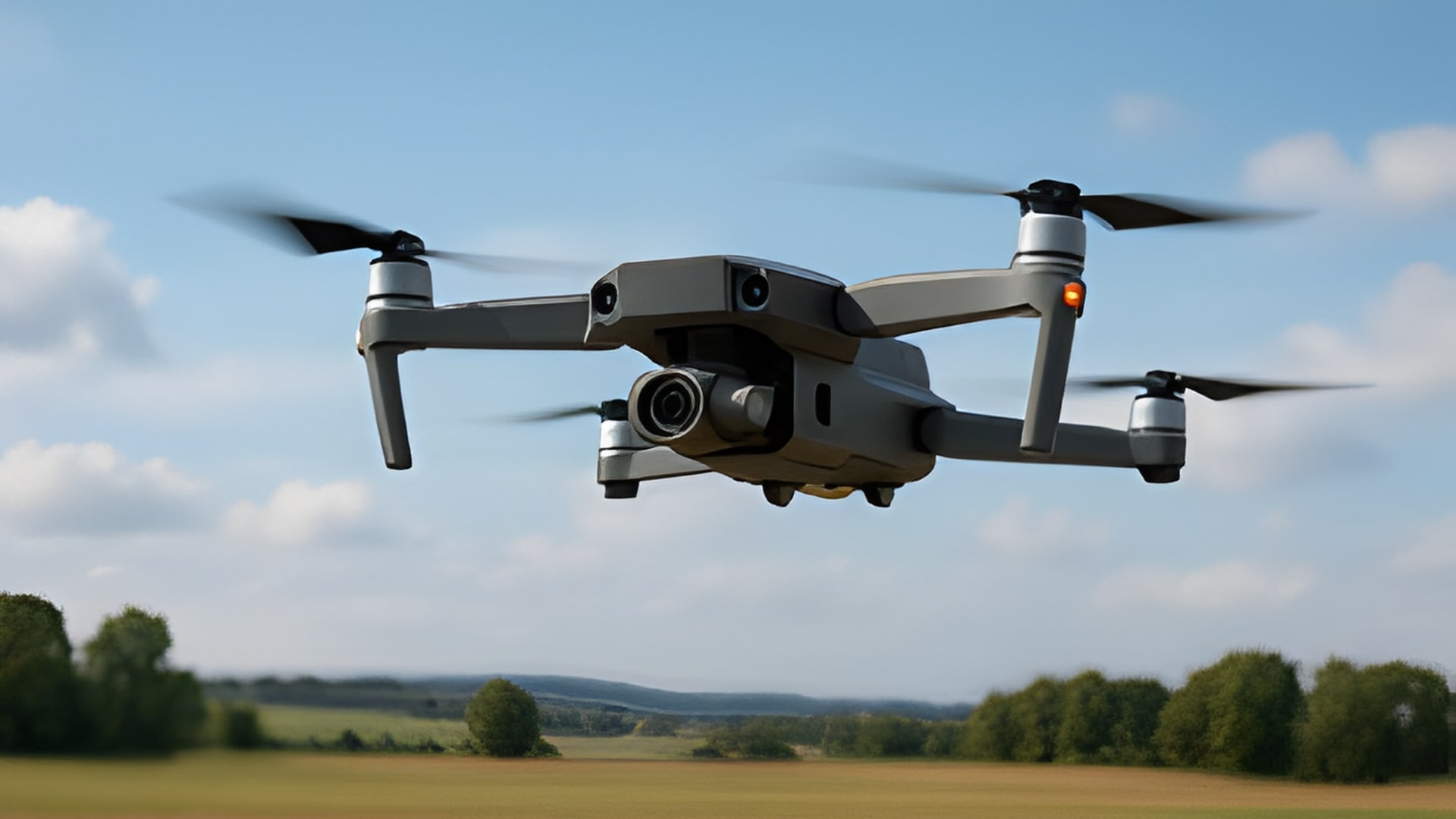
Flying drones take aerial pictures with special cameras that show how healthy the crops are and where problems like pests or diseases start. Farmers can quickly inspect large fields without walking every inch, making it easy to target treatment and save time.
Automated Irrigation Systems

These systems connect with soil sensors and water crops only when they need it. This prevents overwatering or underwatering. Automated irrigation saves water and energy while keeping crops healthy.
Livestock Wearable Devices
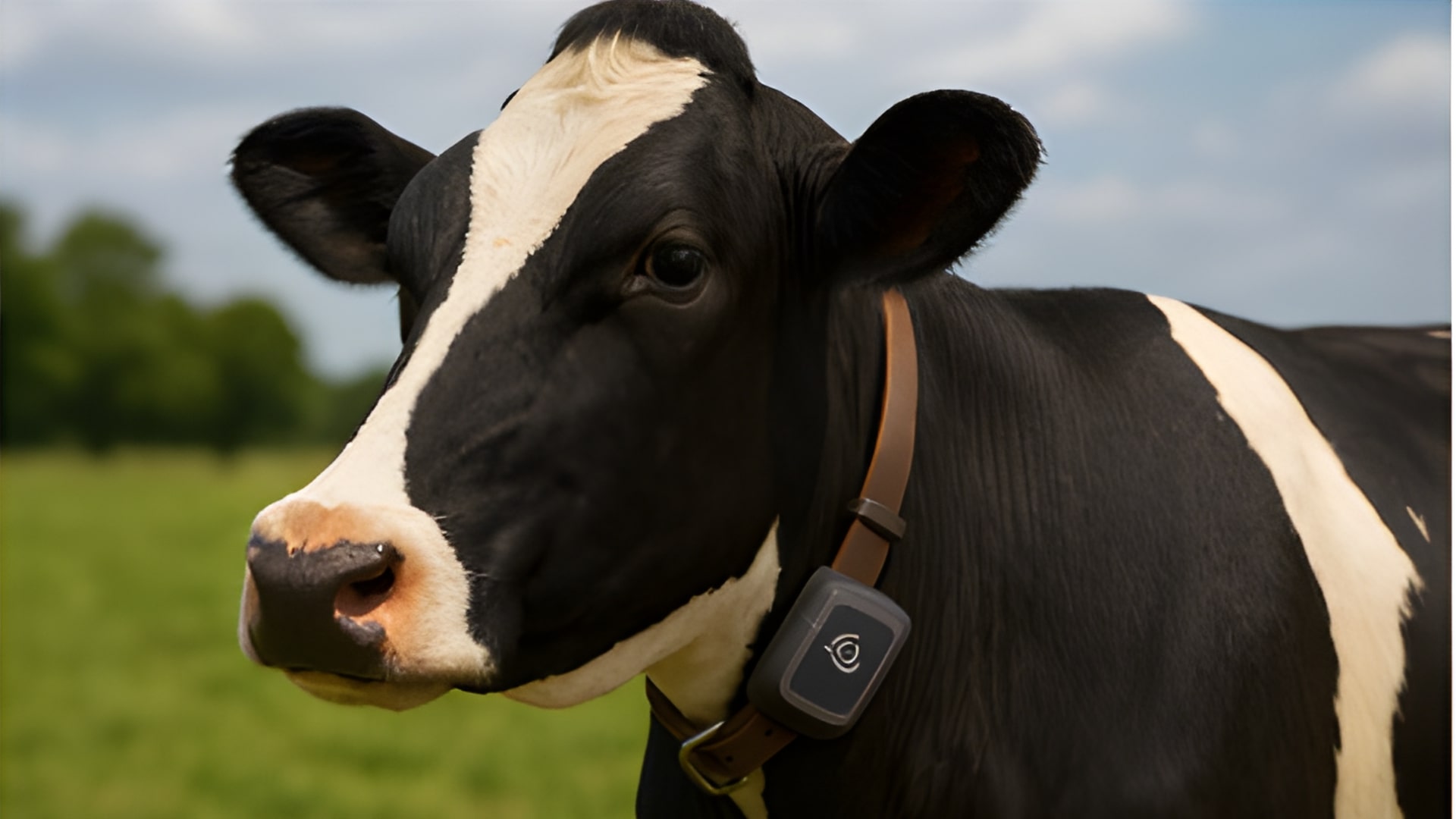
Small devices like ear tags and collars monitor animals’ health, activity, and location. Farmers get instant alerts if an animal is sick or wanders off. This improves livestock care, reduces losses, and helps with feeding.
Supply Chain Trackers
IoT devices track farm produce from harvest to market, monitoring temperature and humidity during storage and transport. This helps keep food fresh, reduces waste, and improves quality for consumers.
Smart Greenhouse Systems
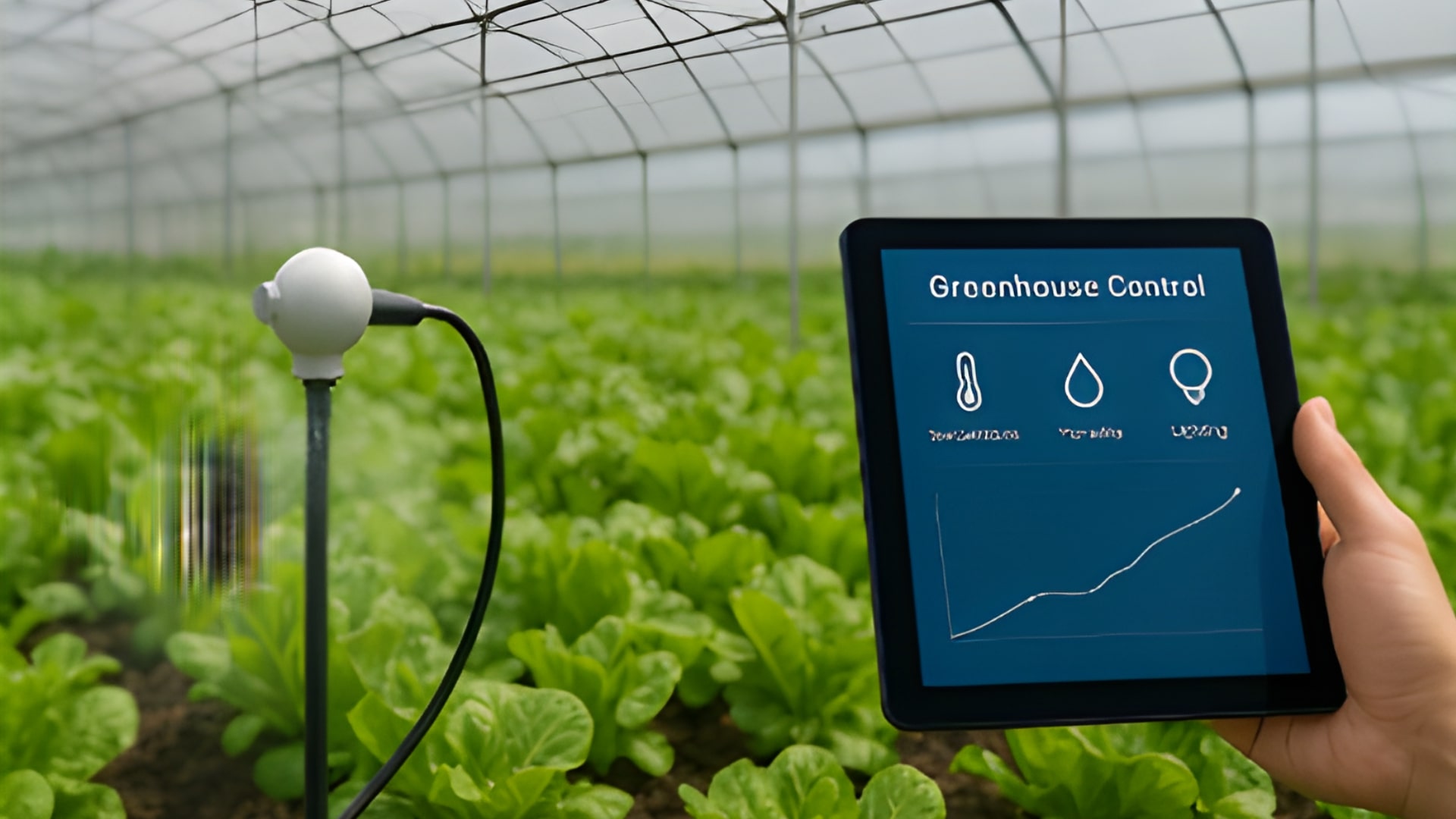
In controlled environments like greenhouses, IoT controls temperature, humidity, light, and ventilation automatically. This creates perfect growing conditions constantly, increasing yields and reducing labour.
All these IoT technologies work together by sending data to cloud platforms where farmers can see everything on a phone or computer in real time. This lets farmers make quick, smart decisions, reduce waste and costs, increase crop yields, and improve sustainability. IoT also allows farmers to manage large or remote farms more efficiently without needing to be everywhere at once.
Benefits of IoT in Agriculture
Here are the key benefits of IoT in Agriculture:
- Precision farming helps farmers know exactly where and how much water, fertilizer, or pesticide to use. This saves money and increases crop growth.
- Smart irrigation systems conserve water by watering crops only when needed, preventing waste and protecting plants.
- Crop monitoring with sensors lets farmers check plant health 24/7 and catch pests or diseases early before they spread.
- Automated machines and tractors save time and work, letting farmers focus on other important tasks.
- Real-time weather updates help farmers prepare for bad weather or plan the best time to plant and harvest.
- Livestock tracking improves animal health by alerting farmers to issues early and managing feeding better.
- Monitoring of farm equipment reduces breakdowns and maintenance costs.
- IoT supports sustainable farming by reducing water use, lowering chemical inputs, and cutting waste.
- Farmers get detailed data anytime to make smarter decisions and increase yields.
- Overall, IoT makes farming easier, safer, and more productive.
.jpg)
The Future of IoT in Farming
The Internet of Things in agriculture is growing fast. New technologies like AI, machine learning, and autonomous robots are joining IoT to make farming smarter.
- AI and machine learning will help farmers make smarter decisions using data.
- Autonomous tractors and drones will automate planting and monitoring.
- 5G and satellite internet will improve device connectivity in rural areas.
- IoT will promote sustainable farming by reducing water and chemical use.
- Advanced dashboards will show all farm data in one easy place.
- Robots will handle tasks like picking fruits and removing weeds.
- Blockchain with IoT will improve food tracking and safety.
Conclusion
The Internet of Things in agriculture is changing farming for the better. It helps farmers use resources like water and fertilizer wisely, saving money and protecting the environment. With smart devices, farmers can monitor crops and animals anytime, making faster, smarter decisions.
IoT also makes farming easier by automating tough tasks and giving clear data in one place. As new technologies like AI, robots, and better internet grow, even small farms will benefit.
Frequently Asked Questions
-

Krishna Handge
WOWinfotechDec 01,2025